
 Canada
 USA
USA Japan
Japan


How to Protect Your Pets from Fleas and Ticks in Egypt

How to Protect Your Pets from Fleas and Ticks in Egypt: A Complete Prevention Guide
Egypt’s warm climate creates an ideal environment for fleas and ticks to thrive virtually year-round. Unlike colder countries where parasite activity drops during winter, Egyptian pet owners must remain vigilant throughout all seasons. Fleas and ticks are more than just a nuisance — they can transmit serious diseases to your pets and, in some cases, to your family. This guide provides a thorough overview of flea and tick prevention, identification, and treatment for pet owners in Egypt.
Understanding the Threat: Why Fleas and Ticks Are Dangerous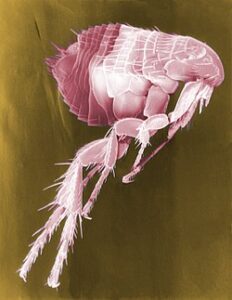
Fleas are tiny, wingless parasites that feed on your pet’s blood. A single flea can bite your pet hundreds of times per day, causing intense itching, skin irritation, and allergic reactions. Flea allergy dermatitis (FAD) is one of the most common skin conditions in cats and dogs, triggered by an allergic reaction to proteins in flea saliva. In severe infestations, particularly in kittens and puppies, fleas can cause anemia due to blood loss. Fleas also serve as intermediate hosts for tapeworms — if your pet swallows an infected flea while grooming, they can develop a tapeworm infection.
Ticks are larger parasites that attach to your pet’s skin and feed on blood over several days. They are especially dangerous because they can transmit serious diseases including ehrlichiosis, babesiosis, anaplasmosis, and Lyme disease. Tick-borne diseases can cause symptoms ranging from fever and lethargy to organ failure and death if left untreated. In Egypt, tick infestations are particularly common in dogs that spend time outdoors, in gardens, or in areas with tall grass and vegetation.
Identifying Fleas and Ticks on Your Pet
Early detection is crucial for effective treatment. Common signs of flea infestation include excessive scratching, biting, or licking (particularly around the base of the tail, belly, and inner thighs), visible flea dirt (tiny black specks that look like ground pepper) on your pet’s skin or bedding, red and irritated skin, hair loss in affected areas, and in some cases, visible adult fleas moving through your pet’s fur. To check for flea dirt, run a fine-toothed flea comb through your pet’s coat over a white paper towel. If the dark specks turn reddish-brown when dampened, they contain digested blood — a confirmation of flea activity.
Ticks are easier to spot due to their larger size, though they can still hide in less obvious areas. Common attachment sites include around the ears, between the toes, in the groin area, under the collar, and around the eyelids. An engorged tick can grow to the size of a small grape and is usually gray or brown in color. Run your hands over your pet’s body regularly, feeling for any small bumps that could indicate an attached tick.
Prevention Strategies That Work
Prevention is always better than treatment when it comes to parasites. There are several effective prevention methods available to Egyptian pet owners. Topical spot-on treatments are applied directly to your pet’s skin, usually between the shoulder blades, and provide protection for 30 days. These products contain insecticides that kill fleas and ticks on contact. They are easy to apply and widely available. Oral flea and tick preventatives are tablets or chewables that your pet takes monthly. These products work systemically — the active ingredients enter your pet’s bloodstream, and parasites are killed when they bite. Many pet owners prefer oral preventatives because there’s no residue on the fur and no risk of the product washing off.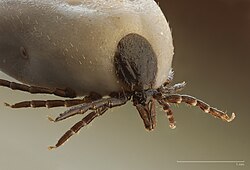
Flea and tick collars provide continuous protection for several months (typically 6 to 8 months depending on the brand) and are a convenient option for pet owners who prefer a set-it-and-forget-it approach. Sprays and shampoos can be used for immediate relief during active infestations, but they generally don’t provide long-lasting prevention. Regardless of which method you choose, consistency is key. In Egypt’s climate, year-round protection is strongly recommended.
Treating Your Home Environment
Eliminating fleas from your pet alone is not enough — you must also treat your home. Adult fleas on your pet represent only about 5 percent of the total flea population in your environment. The remaining 95 percent exists as eggs, larvae, and pupae in your carpets, furniture, bedding, and floor cracks. Wash all pet bedding, blankets, and removable fabric covers in hot water at least once a week during an infestation. Vacuum your home thoroughly and frequently, paying special attention to areas where your pet spends the most time. Dispose of the vacuum bag or empty the canister outside immediately after vacuuming, as flea eggs and larvae can continue developing inside the vacuum. For severe infestations, you may need to use a household flea spray or fogger, or hire a professional pest control service.
How to Safely Remove a Tick
If you find a tick attached to your pet, remove it promptly and correctly. Using fine-tipped tweezers or a tick removal tool, grasp the tick as close to the skin surface as possible. Pull upward with steady, even pressure — do not twist or jerk, as this can cause the tick’s mouthparts to break off and remain embedded in the skin. After removal, clean the bite area with antiseptic and wash your hands thoroughly. Save the tick in a sealed container in case your veterinarian needs to identify it later. Monitor the bite site for signs of infection (redness, swelling, discharge) over the next few weeks, and watch for any symptoms of tick-borne illness such as lethargy, loss of appetite, fever, or joint swelling.
Natural and Complementary Approaches
While chemical preventatives are the most reliable option, some pet owners prefer to supplement with natural approaches. Keeping your garden well-maintained — trimming tall grass, removing leaf litter, and eliminating standing water — reduces tick habitat around your home. Diatomaceous earth (food-grade) can be sprinkled in outdoor areas where your pet plays to help control flea populations. Some pet owners use diluted apple cider vinegar as a coat rinse, though scientific evidence for its effectiveness against parasites is limited. It’s important to note that natural methods alone are generally not sufficient for serious infestations or for protection against tick-borne diseases.
When to See a Veterinarian
Consult your veterinarian if your pet has a severe or persistent flea infestation that doesn’t respond to over-the-counter treatments, if you’ve found and removed a tick and your pet develops any unusual symptoms, if your pet has signs of flea allergy dermatitis (severe itching, scabs, hair loss), if your pet is very young, very old, pregnant, or has underlying health conditions (as some parasite treatments may not be appropriate), or if you’re unsure which prevention product is safest for your pet. Your vet can recommend the most effective and safe parasite control protocol based on your pet’s specific needs.
Protecting your pets from fleas and ticks requires consistent effort, but it’s one of the most impactful things you can do for their health and comfort. With the right prevention strategy in place, you and your pets can enjoy a parasite-free life even in Egypt’s challenging climate.
#FleaAndTick #PetParasites #FleaTreatmentEgypt #TickPrevention #DogCareEgypt #CatCareEgypt #PetsWorldEgypt #PetHealthTips #ParasiteFree #FleasEgypt