
 Canada
 USA
USA Japan
Japan

Feline Lower Urinary Tract (FLUTD): Symptoms, Prevention for your cat

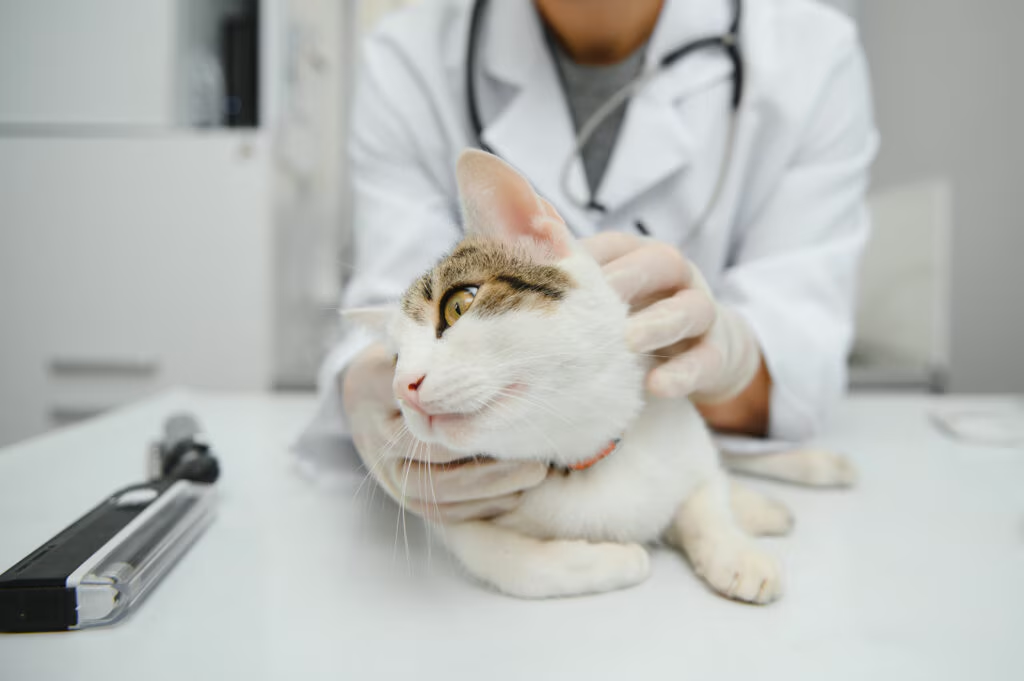
Few things cause a cat owner as much distress as watching their beloved pet struggle in the litter box. Feline Lower Urinary Tract Disease (FLUTD) is not a single specific illness, but an umbrella term describing a collection of conditions affecting the feline bladder and urethra. It represents one of the most frequent reasons cat parents seek emergency veterinary care worldwide.
Left untreated, urinary tract issues can progress rapidly from mild discomfort to fatal urethral blockages—especially in male cats. Fortunately, with early symptom recognition, proper hydration strategies, and targeted nutrition, FLUTD is highly manageable and often completely preventable.
In this comprehensive health guide by Pets World Egypt, we explore the primary causes of FLUTD, critical warning signs to watch for, the psychological link between feline stress and bladder inflammation, and how specialized diets protect your cat’s urinary health for life.
1. What Is FLUTD? Understanding the Underlying Causes
FLUTD can affect cats of any age, gender, or breed, though indoor, overweight, and middle-aged cats living on exclusively dry food diets face significantly higher risk factors. To treat and prevent urinary problems effectively, you must first understand what is happening inside your cat’s body.
The most common diagnoses under the FLUTD umbrella include:
Feline Idiopathic Cystitis (FIC): Accounting for roughly 60% to 70% of all FLUTD cases, FIC is a sterile inflammation of the bladder wall with no bacterial infection present. It is heavily triggered by emotional stress, environmental changes, and anxiety.
Urolithiasis (Bladder Stones and Crystals): Mineral accumulations in the bladder that form microscopic crystals or solid stones. The two most common crystal types are:
Struvite (Magnesium Ammonium Phosphate): Typically forms in alkaline (high pH) urine.
Calcium Oxalate: Typically forms in overly acidic (low pH) urine.
Urethral Obstruction (“Blocked Cat”): A life-threatening emergency where crystals, mucus plugs, or tissue fragments completely block the narrow urethra, preventing urine outflow. This occurs far more frequently in male cats due to their longer, narrower urethras.
Bacterial Urinary Tract Infections (UTIs): Primary bacterial infections are actually surprisingly rare in young to middle-aged cats (less than 5% of cases), though they become more common in senior cats over 10 years old or those with kidney disease and diabetes.
2. Critical Warning Signs: When to Act Fast
Cats are instinctive masters at hiding pain and vulnerability. By the time a cat exhibits obvious symptoms of urinary distress, the condition has often been developing for days or weeks.
Common Symptoms of FLUTD
Straining to Urinate (Dysuria): Spending unusually long periods inside the litter box crouching or straining.
Frequent Litter Box Visits (Pollakiuria): Entering the box repeatedly only to produce tiny droplets or no urine at all.
Vocalizing While Urinating: Crying out, meowing, or howling in discomfort while trying to eliminate.
Blood in the Urine (Hematuria): Pinkish, reddish, or dark-tinted urine visible on white litter or flooring.
Inappropriate Elimination: Urinating outside the box on smooth, cool surfaces like bathtubs, tile floors, laundry, or beds.
Excessive Licking: Obsessive grooming of the genital and abdominal areas due to localized pain.
🚨 VETERINARY EMERGENCY WARNING:
If a male cat is straining repeatedly, crying in pain, producing zero urine, and exhibiting lethargy, vomiting, or abdominal tenderness, this is a full urethral blockage. Toxins will build up in the bloodstream within 24 to 48 hours, leading to kidney failure or cardiac arrest. Seek emergency veterinary care immediately.
3. Hydration: The Single Most Powerful Shield
Cats evolved from desert-dwelling African wildcats (Felis lybica). Consequently, their bodies naturally concentrate urine to conserve water, and they possess a naturally low thirst drive. While this adaptation worked well in the wild where prey provided ample moisture, it poses a severe threat to modern indoor domestic cats fed dry kibble.
Concentrated urine is the ultimate breeding ground for crystal formation. When urine sits stagnant in the bladder at high concentration, minerals bind together to form sharp crystals that irritate the delicate bladder lining.
How to Boost Your Cat’s Water Intake
Incorporate Wet Cat Food: Standard dry kibble contains only 6% to 10% moisture, whereas canned or pouch wet food contains 75% to 80% water. Feeding at least one or two daily meals of wet food dramatically increases total liquid intake.
Use Pet Water Fountains: Cats instinctively prefer running, moving water because their wild instincts associate stagnant standing water with bacterial contamination. Electric stainless steel or ceramic fountains encourage significantly higher consumption.
Add Broths and Toppers: Pour warm, unseasoned bone broth or warm water directly over their daily meals to create a flavorful gravy.
Multiple Water Stations: Place wide, shallow water bowls away from food bowls and litter boxes in quiet, low-traffic areas across your home.
4. The Role of Specialized Urinary Diets
Dietary management is the cornerstone of FLUTD prevention and treatment. Commercial urinary care diets are scientifically formulated to target the chemical composition of your cat’s urine.
How Prescription & Specialized Urinary Foods Work
Targeted Urinary pH Control: Specialized foods maintain an optimal urine pH range (typically between 6.2 and 6.4). This balance creates an environment where struvite crystals dissolve and calcium oxalate crystals cannot easily form.
Controlled Mineral Levels: These formulas feature carefully restricted levels of magnesium, phosphorus, and calcium—the primary building blocks of urinary crystals.
Increased Sodium Content: Mildly elevated, safe levels of dietary sodium encourage natural thirst, prompting your cat to drink more water and flush their bladder frequently.
High Digestibility & Omega-3 Fatty Acids: Added EPA and DHA fatty acids reduce systemic inflammation along the bladder wall.
5. Comparison: Standard Cat Food vs. Specialized Urinary Care Food
| Attribute | Standard Commercial Kibble | Premium Preventive Care | Prescription Veterinary Diet (S/O or UR) |
| Primary Focus | General maintenance & energy | Urinary health support for healthy cats | Active crystal dissolution & blockage prevention |
| Urinary pH Balancing | Unregulated / Variable | Balanced within moderate target ranges | Strictly controlled chemical formulation |
| Mineral Controls | Standard mineral levels | Controlled Magnesium & Phosphorus | Strictly limited Magnesium, Calcium & Oxalate |
| Dissolution Capability | Cannot dissolve existing crystals | Helps prevent new crystal formation | Dissolves existing struvite crystals within weeks |
| Best Suited For | Healthy, active young cats | Cats prone to low water intake or indoor lifestyle | Cats with diagnosed FLUTD, stones, or prior blockages |
6. Feline Idiopathic Cystitis (FIC) and the Mind-Bladder Connection
Many cat owners are shocked to learn that psychological stress directly causes bladder inflammation in cats. The feline nervous system and bladder wall share a direct neurological connection. When a cat feels stressed or threatened, their brain triggers a hormonal response that strips away the protective glycosaminoglycan (GAG) layer lining the inner bladder wall.
Without this protective coating, acidic urine directly contacts raw bladder tissue, causing severe pain, bleeding, and spasms—even when zero crystals or bacteria exist.
Common Stress Triggers in Cats:
Moving to a new home or rearranged furniture.
Introduction of new pets, family members, or outdoor stray cats visible through windows.
Sudden changes in routine or litter box placement.
Dirty litter boxes or competition over resources in multi-cat homes.
Reducing Environmental Stress:
Pheromone Diffusers: Synthetic feline facial pheromones (such as Feliway) create a calming atmosphere.
Vertical Space: Provide cat trees, perches, and shelves so cats can observe their environment safely from above.
Daily Interactive Play: Engage your cat with feather wands and laser toys for 15 minutes daily to burn off nervous energy.
7. Step-by-Step FLUTD Prevention Checklist
To ensure your cat maintains a healthy urinary system throughout their lifetime, implement this daily care routine:
Feed a Moisture-Rich Diet: Transition toward high-moisture wet food or mix warm water into kibble daily.
Scoop Litter Boxes Daily: Maintain the N+1 Rule (one litter box per cat plus one extra). Cats will hold their urine rather than enter a dirty box.
Provide Fresh, Filtered Water: Change standing water daily or install an electric circulating fountain.
Monitor Body Weight: Maintain your cat at a lean, healthy weight. Obesity doubles the risk of urinary tract disorders.
Annual Vet Checkups: Request routine urinalysis during annual wellness exams for cats over 5 years old to catch microscopic crystal formation early.
8. Frequently Asked Questions (FAQs)
Q: Can I cure a urinary blockage at home with natural remedies or extra water?
A: No. A full urethral blockage is a catastrophic medical emergency. Home remedies, apple cider vinegar, or over-the-counter supplements will not clear a physical blockage. Delaying professional veterinary catheterization and IV fluid therapy can be fatal within hours.
Q: Is urinary cat food safe for healthy cats in a multi-cat household?
A: Over-the-counter non-prescription urinary care formulas (such as Purina Pro Plan Urinary Care or Royal Canin Urinary Care) are generally completely safe for all adult cats in the home. However, therapeutic prescription-strength diets designed specifically to dissolve stones should only be fed under strict veterinary guidance.
Q: Why does my cat keep urinating on my bed or laundry?
A: Cats do not eliminate outside the litter box out of spite or revenge. When a cat associates the litter box with physical pain caused by FLUTD, they naturally seek out soft, comfortable, cool surfaces (like clothing or bedding) in an attempt to relieve their discomfort. Always rule out medical causes before treating non-litter box elimination as a behavioral issue.
Protect Your Cat’s Urinary Health Today
Preventing urinary tract disease requires a proactive approach combining high-quality nutrition, proper hydration, and a calm, enriched indoor environment. By recognizing the subtle early signs of urinary distress and providing a balanced diet tailored to your cat’s needs, you ensure your pet lives a long, happy, and pain-free life.
Explore our dedicated range of Urinary Health Cat Foods, Wet Pouches, Water Fountains, and Specialized Litters at Pets World Egypt, and enjoy fast, reliable delivery straight to your door!