
 Canada
 USA
USA Japan
Japan

Complete Puppy Feeding Guide: What to Feed Your New Puppy ?

Complete Puppy Feeding Guide: Everything You Need to Know About Feeding Your New Puppy
Bringing a new puppy home is one of life’s most exciting experiences, but it also comes with a great deal of responsibility — especially when it comes to nutrition. What you feed your puppy during the first year of life lays the foundation for their long-term health, energy levels, and overall well-being. This guide covers everything you need to know about feeding your puppy the right way.

Why Puppy-Specific Food Matters
Puppies have very different nutritional requirements compared to adult dogs. Their bodies are growing rapidly, which means they need more protein, fat, calories, and specific vitamins and minerals than adult dogs do. Puppy-specific formulas are designed to meet these elevated nutritional demands. Feeding an adult dog formula to a puppy can lead to nutritional deficiencies that may affect bone development, immune function, and muscle growth. Always choose a food that is specifically labeled for puppies or for “all life stages.”
Understanding Macronutrients for Puppies
Protein is the most critical macronutrient for growing puppies. It provides the building blocks (amino acids) necessary for developing muscles, organs, skin, and coat. Look for puppy foods that list a high-quality animal protein — such as chicken, beef, fish, or lamb — as the first ingredient. A good puppy food should contain at least 25 to 30 percent protein. Fat is the second most important macronutrient, providing concentrated energy and supporting brain development. Puppy food should contain around 15 to 20 percent fat. Essential fatty acids like DHA (docosahexaenoic acid) are particularly important for cognitive and visual development in young dogs.
How Often Should You Feed Your Puppy?
Feeding frequency changes as your puppy grows. From 8 to 12 weeks of age, puppies should be fed four times per day. Their small stomachs can’t handle large meals, so spreading their daily food intake across four meals prevents digestive upset and maintains steady energy levels. From 3 to 6 months, you can reduce feeding to three times per day. By the time your puppy reaches 6 months of age, most breeds can transition to twice-daily feeding, which you can maintain throughout their adult life.
How Much Food Does Your Puppy Need?
The amount of food your puppy needs depends on their breed, current weight, expected adult weight, and activity level. As a general guideline, most puppy food packaging includes a feeding chart based on weight and age. Start with the recommended amount and adjust based on your puppy’s body condition. You should be able to feel your puppy’s ribs without pressing hard, but they shouldn’t be visibly prominent. If your puppy is gaining too much weight, reduce the portion slightly; if they seem too thin, increase it.
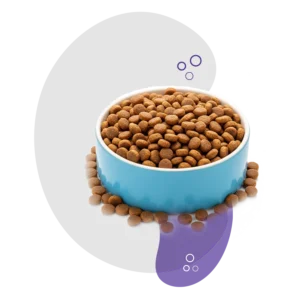
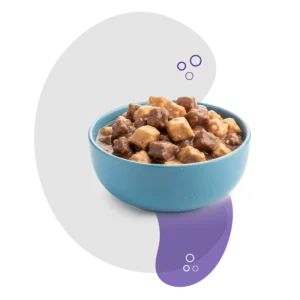
Dry Food vs. Wet Food for Puppies
Both dry food (kibble) and wet food have their advantages. Dry food is more convenient, more cost-effective, and better for dental health because the crunchy texture helps reduce plaque buildup. Wet food, on the other hand, is more palatable, higher in moisture content (which supports hydration), and easier for very young puppies to eat. Many veterinarians and pet nutrition experts recommend a combination of both — using dry food as the primary diet and mixing in a small amount of wet food for added flavor and hydration.
Foods That Are Dangerous for Puppies
Certain human foods are toxic to dogs and should never be given to your puppy. Chocolate contains theobromine, which dogs cannot metabolize effectively and can cause vomiting, diarrhea, seizures, and even death. Grapes and raisins can cause acute kidney failure. Onions and garlic damage red blood cells and can lead to anemia. Xylitol, an artificial sweetener found in many sugar-free products, can cause a dangerous drop in blood sugar and liver failure. Cooked bones can splinter and cause choking or internal injuries. Always keep these foods well out of your puppy’s reach.
The Importance of Fresh Water
Fresh, clean water should be available to your puppy at all times. Puppies are more susceptible to dehydration than adult dogs, especially in hot climates like Egypt’s. Make sure to wash and refill your puppy’s water bowl at least twice daily, and consider placing multiple water bowls around your home to encourage drinking. If your puppy seems reluctant to drink water, try adding a small splash of low-sodium chicken broth to make it more appealing.
When to Transition to Adult Dog Food
The timing of the transition from puppy food to adult food depends on your dog’s breed and size. Small breeds typically reach their adult size by 9 to 12 months and can switch to adult food around that time. Medium breeds usually transition between 12 and 14 months. Large and giant breeds grow more slowly and may need to stay on puppy food until they are 18 to 24 months old. When making the transition, do it gradually over 7 to 10 days, slowly increasing the proportion of adult food while decreasing the puppy food.
Signs of Good Nutrition in Your Puppy
A well-nourished puppy will show several visible signs of good health. Their coat should be shiny and soft, not dull or brittle. Their energy levels should be consistent — playful and active during waking hours, with healthy sleep patterns. Their stools should be firm and well-formed, not loose or excessively hard. Healthy weight gain should be steady and proportional, without sudden jumps or plateaus. If you notice any persistent changes in your puppy’s appetite, energy, coat quality, or stool consistency, consult your veterinarian.
Feeding your puppy properly is one of the best investments you can make in their future health. By choosing the right food, feeding the right amounts at the right frequency, and avoiding dangerous foods, you’re setting your puppy up for a long, happy, and healthy life.
#PuppyFeeding #PuppyNutrition #NewPuppyOwner #DogFoodEgypt #PuppyCare #PetsWorldEgypt #HealthyPuppy #PetNutritionTips #BestPuppyFood #DogOwnersEgypt